A holiday survey and 40 students willing to take part
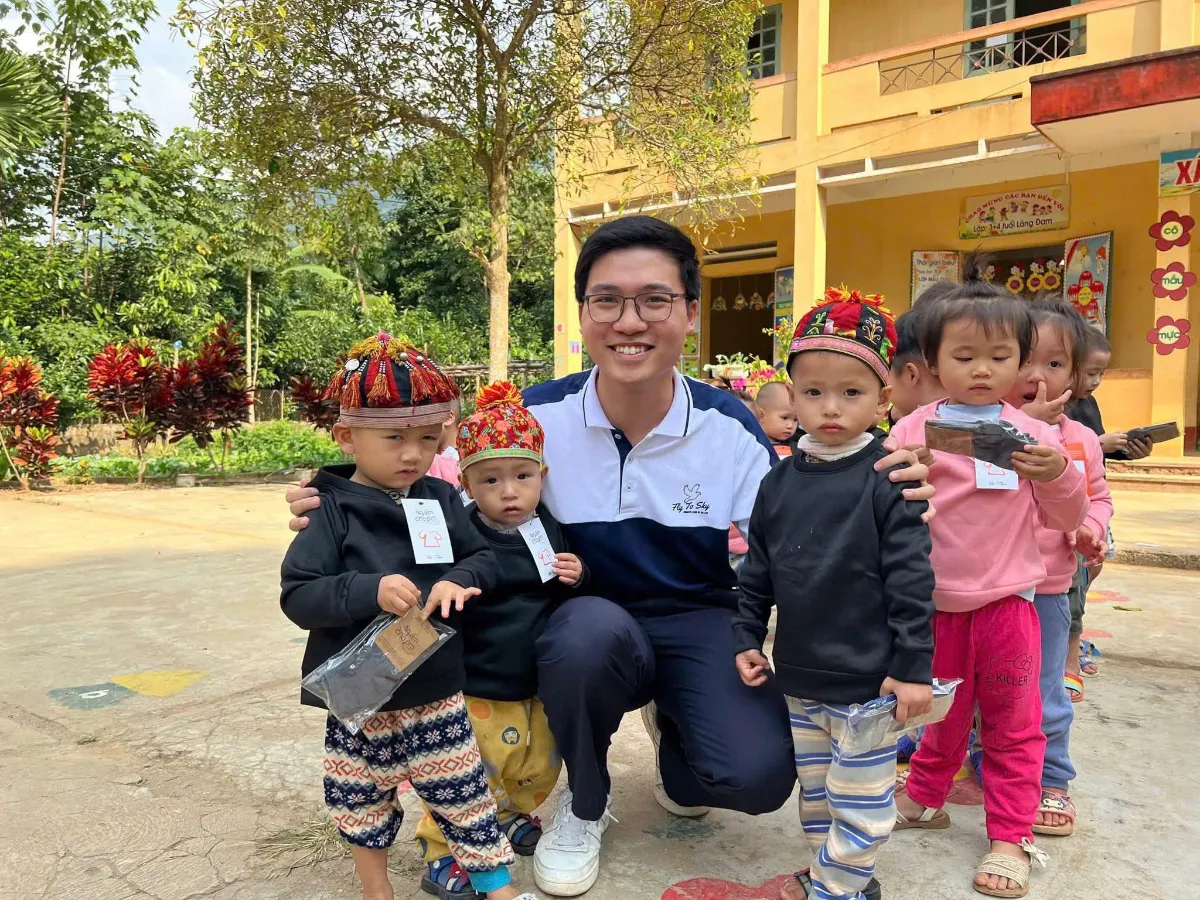
On the evening of September 2, 2018, Lê Văn Phúc circulated an online survey asking friends whether they wanted to take part in volunteer activities. The 16-year-old could offer little by way of assurances: no office, no stable operating budget and no experience running an organization. By the end of that evening, around 40 students had signed up. That simple invitation became the beginning of the Fly To Sky charity group.
Growing up in Gia Lai, Phúc had accompanied his family on visits to hospitals, met patients facing financial hardship and joined small charitable initiatives. Those early encounters showed him that deprivation was not something distant. Alongside his wish to help, he noticed another gap: local school students who wanted to contribute regularly and over the long term had few places to begin.
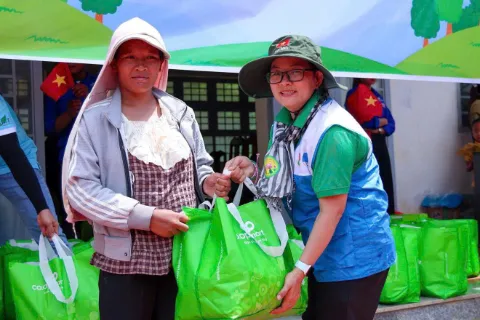
The group’s early days bore little resemblance to those of a professional organization. Members raised modest funds from family members and teachers, sold school supplies and organized fundraising activities. They carried donated goods on motorbikes or pooled money to hire transport. Persuading adults to trust a plan proposed by schoolchildren was difficult; earning their trust again after the first project was harder still. Phúc came to understand that credibility was built not through age or a persuasive introduction, but through keeping promises, accounting openly for contributions and taking responsibility for the outcome.
One million dong, and the limits of good intentions
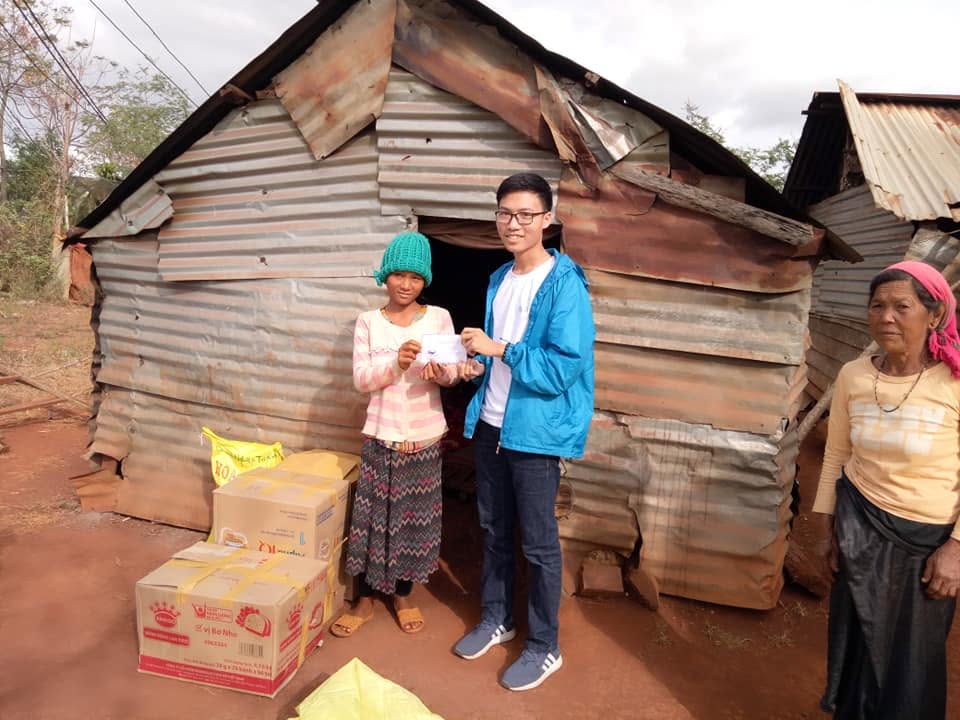
In early 2019, on a visit to Chư Păh, the group met a family of seven living in a makeshift shelter. Phúc remembers handing over an envelope containing one million Vietnamese dong and a few gifts. The mother of four children was moved to tears by what was, for her family, meaningful support. Phúc left with mixed feelings: he was glad they could help, but troubled by the knowledge that the money could not change the family’s living conditions.
It was one of the experiences that changed how he understood volunteering. A gift can help someone through a difficult day without necessarily addressing the reasons behind that hardship. In his view, community initiatives must go beyond asking what donors have to give. They need to visit communities, understand local circumstances, listen to what residents say they need and mobilize appropriate resources.
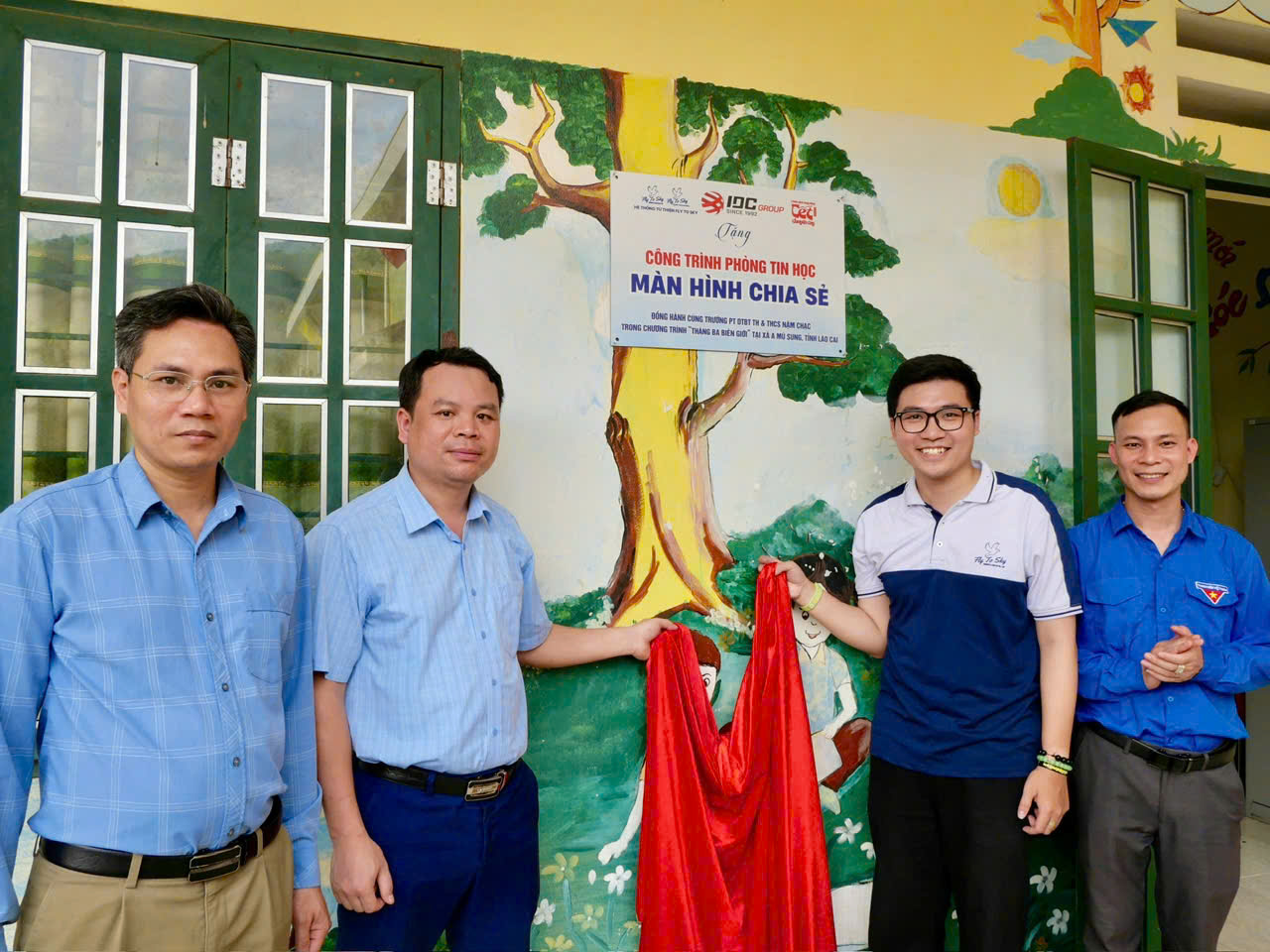
Over time, Fly To Sky developed projects across five priority areas: culture and education; community healthcare; clean energy and environmental sustainability; social welfare; and economic support. Initiatives such as Exchange Books for Trees, the White Dove Bookshelf, Smile Class free community classes, Water Filtration Soldiers and the Blue Wings Scholarship illustrate different responses to different needs, rather than a single model applied everywhere.
That shift does not make immediate relief any less important. Instead, it raises another question: what remains useful to local people after volunteers have gone home? A book that can be read again and again, an educational opportunity that continues, or a support system taken over by the community all require more than one day’s enthusiasm.
Studying communities, and learning from the field
While keeping Fly To Sky running and participating in academic competition teams, Phúc won third prize in Vietnam’s national excellent-student competition in two consecutive years and earned direct admission to university. He chose population and social geography, a field closely tied to his longstanding interest in people’s lives and the differences between communities.
University gave him a more systematic way to examine places, needs and resources. Fieldwork made those lessons tangible: communities may face similar shortages for very different reasons, and their capacity to respond is not the same. Without understanding those distinctions, even a carefully planned project can miss the underlying problem.
In 2020, when he moved to Ho Chi Minh City for university, Phúc did not leave Fly To Sky behind in Gia Lai. He expanded its activities in the city and brought in new collaborators. The organization subsequently extended its presence to other major cities. Phúc also became involved in advising businesses on corporate social responsibility strategies, drawing on his academic training and field experience to connect available resources with genuine community needs. After graduation in 2024, he chose to establish Fly To Sky as a social enterprise. An initiative once sustained largely by students’ enthusiasm now needed a clearer legal foundation, management structure and framework for accountability if it was to grow responsibly.
I see this as an important turning point and part of Fly To Sky’s development,” Phúc explains. “I have had to learn many things again, from finance and human resources to running a company, while continuing to connect resources and advise businesses on social responsibility strategies. For me, becoming more professional does not mean making charitable work less personal. It means ensuring that every contribution is used for a reason, everyone involved understands their responsibilities, and communities receive tangible benefits
Lê Văn Phúc shares his thoughts
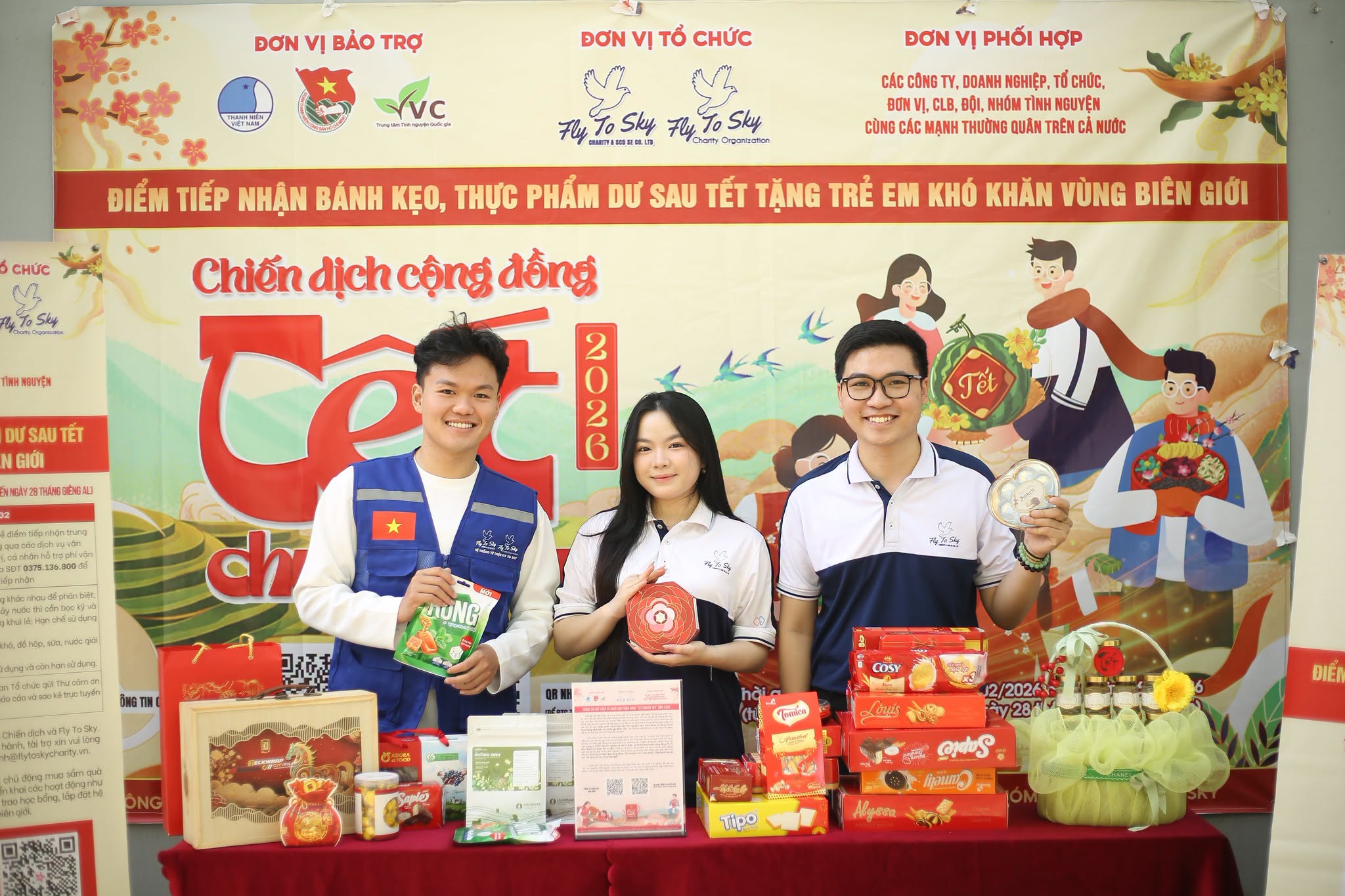
When a founder learns to step back
In a small group, the person who starts an initiative can often handle nearly everything. As participation grows, however, that habit becomes a constraint. Phúc acknowledges that he once tried to oversee many tasks himself for fear of mistakes. What he later had to learn was not simply how to delegate, but how to trust others with real decisions and accept that they might do things differently.
At Fly To Sky, volunteers are encouraged to do more than show up for an event. They can propose ideas, develop plans, coordinate activities and work with local authorities and partners. Such responsibilities bring pressure and the possibility of failure, but also opportunities to develop organizational skills and accountability. A community project can therefore achieve two things at once: respond to a social need and help nurture a generation ready to act.
From an initial group of around 40 students, Fly To Sky has, according to figures provided by Phúc, carried out more than 200 programs and developed over 30 projects, bringing together successive generations of volunteers. The numbers indicate its reach. The deeper test of its resilience is whether programs continue, participants grow through their involvement, and those receiving support can count on it when they need it.
Recognition is a milestone, not the final answer
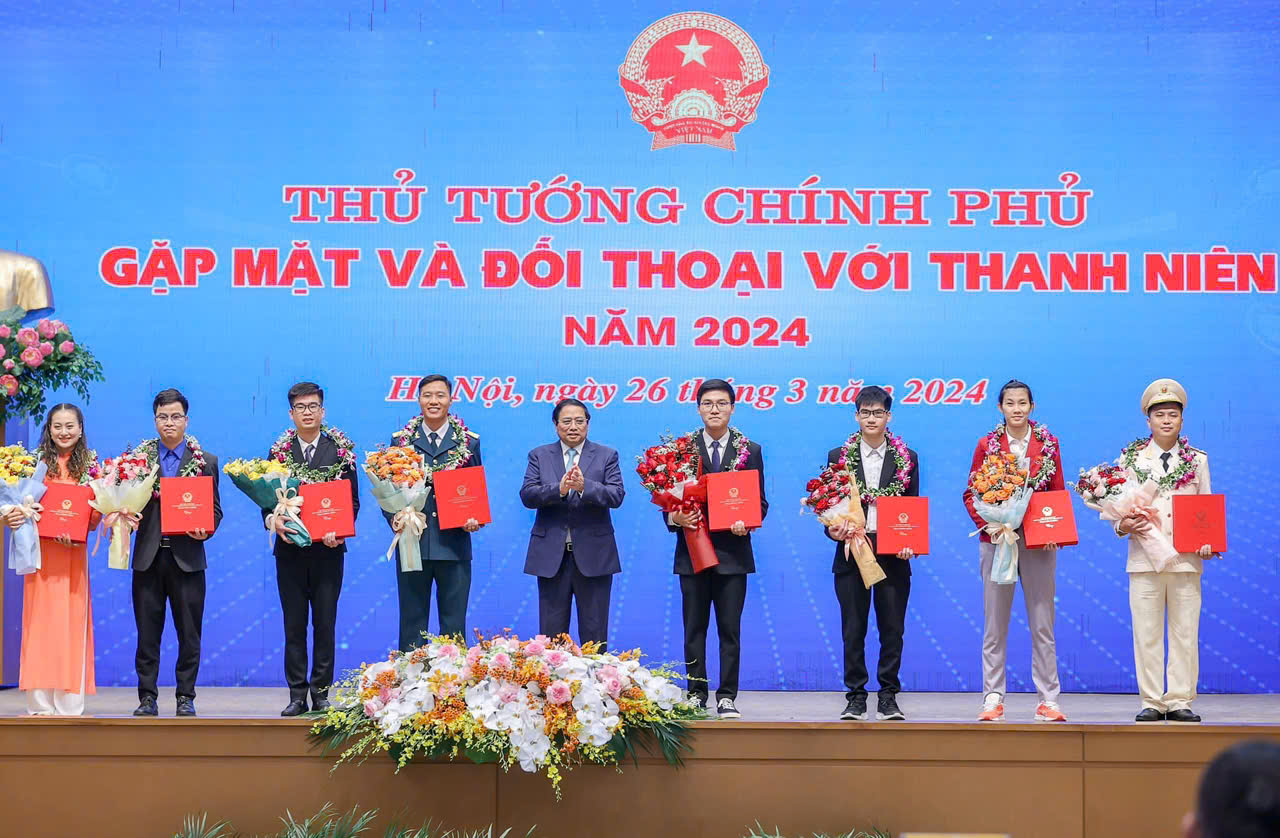
Phúc’s work has received a series of honors, including the National Volunteer Award in 2019, the Beautiful Living Youth Award in 2022, the Promising Young Vietnamese Faces recognition in 2023, the Prospective category of the 2023 Human Act Prize, and Russia’s international Warm Heart volunteer award. In 2024, Fly To Sky itself received the National Volunteer Award. Phúc also received national Young Role Model Following Uncle Ho badges in 2020 and 2025, alongside other commendations and honors.
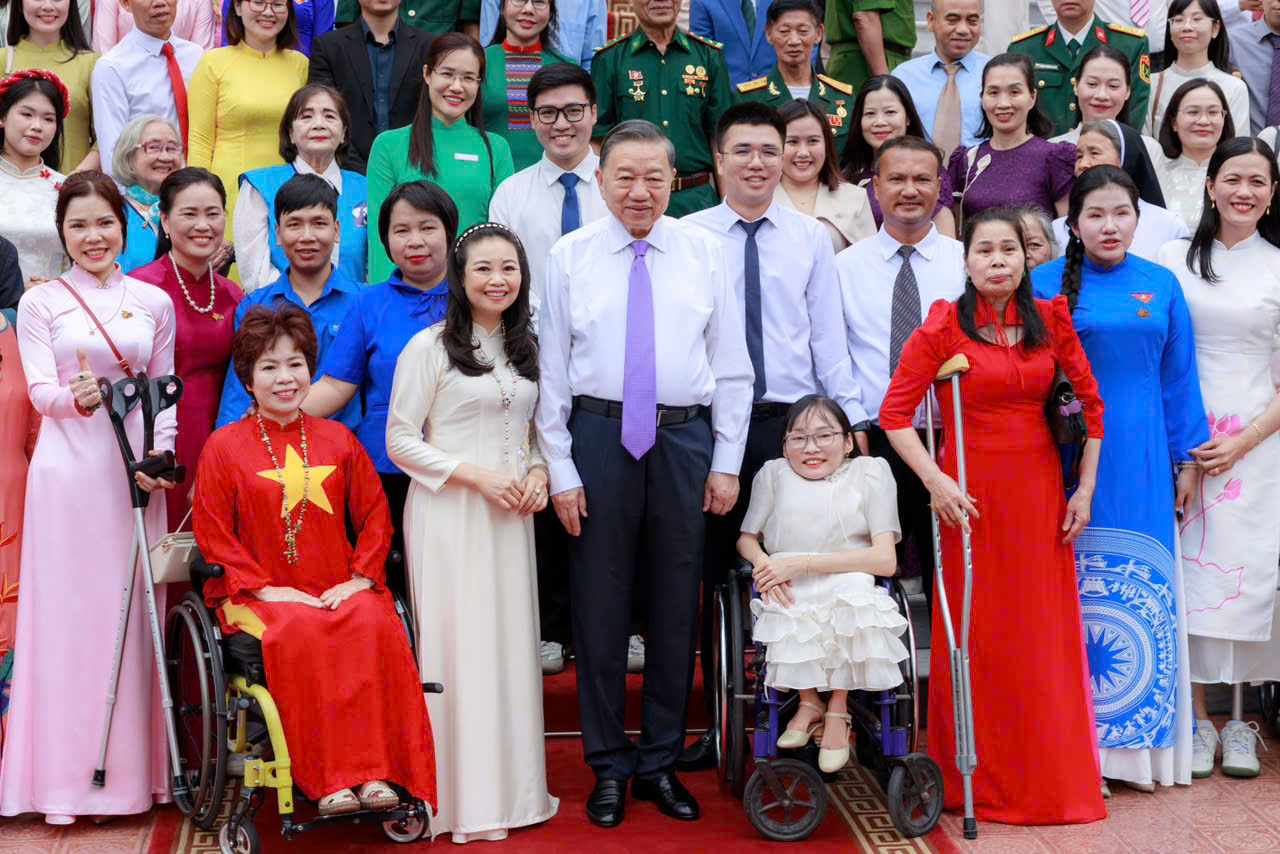
Being received and commended by senior Party and State leaders is an exceptional honor for someone whose work began as a student initiative. Yet reducing his story to a list of awards would overlook what has shaped him most: the families he could not do enough for, the unsuccessful attempts to win support, and the need to rethink his approach when a project fell short.
As Phúc puts it, “A community organization does not mature simply by collecting more awards. It matures by recognizing its limits, being accountable, evaluating outcomes and changing its methods to serve people better. I often tell young volunteers that an award is, in the end, a piece of paper. The ink may fade, but its meaning is a reminder to keep working seriously, not a full stop at the end of the journey.”
The question the boy from Gia Lai once asked - “What can young people do for their communities?” - still has no single answer. Some give a few hours, others contribute expertise, connect funding or sustain a project for years. What Phúc is trying to build is an environment where those contributions meet real needs, become responsible action and can carry on even when the person who started it is no longer leading from the front.